

Understanding the Impact of 1099-K Reporting Changes for Freelancers and Small Businesses

The IRS has updated the reporting requirements for Form 1099-K, a change that affects many freelancers and small business owners. These updates aim to improve tax compliance but also bring new challenges. Understanding these changes is essential to avoid surprises during tax season and to manage your finances effectively.
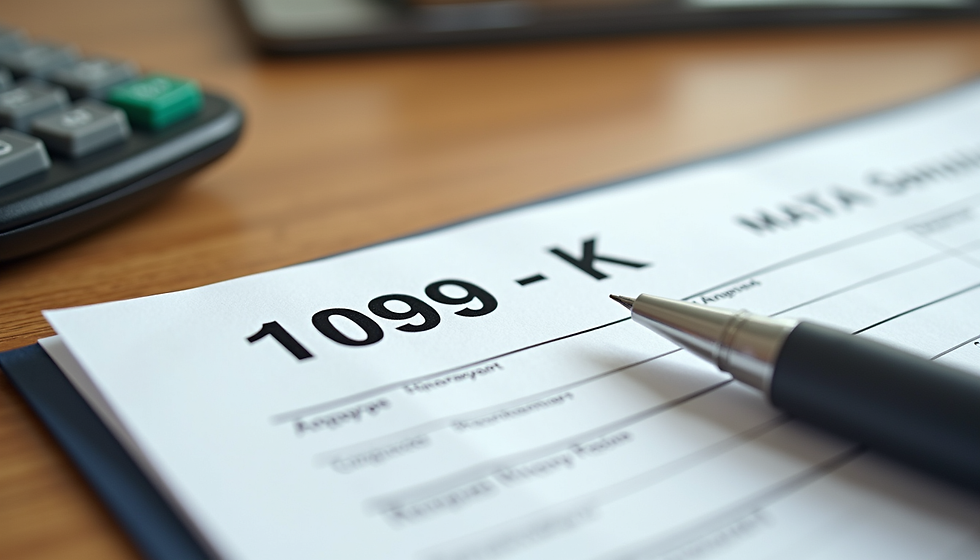
What Is Form 1099-K and Why Does It Matter?
Form 1099-K reports payments received through third-party networks, such as payment processors like PayPal, Stripe, or credit card companies. Before the recent changes, the IRS required these forms to be issued only if the gross payments exceeded $20,000 and there were more than 200 transactions in a year.
For freelancers and small businesses, this form helps the IRS track income from electronic payments, ensuring that all taxable income is reported. If you receive a 1099-K, the IRS also receives a copy, which means your reported income should match what the IRS sees.
What Are the New 1099-K Reporting Thresholds?
The most significant change is the lowering of the reporting threshold. Starting in the 2023 tax year, payment processors must issue a 1099-K if your gross payments exceed $600, regardless of the number of transactions. This is a dramatic drop from the previous $20,000 and 200 transaction threshold.
This change means many more freelancers and small businesses will receive 1099-K forms. For example:
A freelance graphic designer earning $1,000 through PayPal will now receive a 1099-K.
A small online store with 10 sales totaling $700 will also get a 1099-K.
This shift aims to capture more income that might have gone unreported in the past.
How This Change Affects Freelancers and Small Businesses
Increased Reporting and Record-Keeping
With more 1099-K forms arriving, freelancers and small business owners must keep better records. It’s no longer enough to track income casually; detailed documentation of all payments and expenses is critical.
Potential for Higher Tax Bills
Receiving a 1099-K means the IRS expects you to report that income. If you do not report all income, you risk audits or penalties. This change could lead to higher taxable income being reported, which may increase your tax bill.
Confusion Over Duplicate Income Reporting
Some freelancers receive multiple tax forms for the same income, such as a 1099-NEC from clients and a 1099-K from payment processors. This can cause confusion and requires careful bookkeeping to avoid reporting the same income twice.
Practical Steps to Manage the New 1099-K Requirements
Keep Detailed Records of All Transactions
Track every payment you receive, including the source and purpose. Use accounting software or spreadsheets to log income and expenses. This will help reconcile your records with the 1099-K forms you receive.
Review 1099-K Forms Carefully
Check each 1099-K for accuracy. Mistakes can happen, such as incorrect payment amounts or wrong taxpayer identification numbers. Contact the payment processor immediately if you find errors.
Separate Personal and Business Transactions
Mixing personal and business payments can complicate tax reporting. Use separate accounts for business transactions to make it easier to track income and expenses.
Consult a Tax Professional
The new rules can be complex. A tax advisor can help you understand how the changes affect your specific situation and assist with tax planning to minimize liabilities.
Examples of Common Scenarios
Freelancer using multiple platforms: A writer receives payments via PayPal, Venmo, and direct bank transfers. They may get multiple 1099-K forms and possibly 1099-NEC forms. Keeping detailed records helps avoid double reporting.
Small business selling online: An Etsy seller with $1,200 in sales will now get a 1099-K, even if they had fewer than 200 transactions. They should track all sales and related expenses to report net income accurately.
Gig economy worker: A rideshare driver earning $800 through a payment app will receive a 1099-K. They need to report this income and can deduct related expenses like gas and maintenance.
What to Do If You Don’t Receive a 1099-K
Even if you don’t get a 1099-K, you must report all income. The IRS expects you to report all earnings, regardless of whether you receive a form. Keep your own records and report your income honestly.
Preparing for Tax Season Under the New Rules
Start early by organizing your financial documents. Use tools like QuickBooks, FreshBooks, or even simple spreadsheets to track income and expenses throughout the year. This preparation reduces stress and helps ensure accurate tax filing.



Comments